

U.M. CARAHUACRA: Engineering for Environmental Excellence
Technical study and field evaluation for the reclassification of secondary containers, optimizing the circular value chain in modern mining.
What did we do?
We conducted a rigorous and multidimensional field assessment to determine the chemical integrity of secondary containers at the Carahuacra Mining Unit.
- Physical barrier verification: Confirmation that the primary polyethylene container prevents any type of chemical contamination to the secondary packaging.
- Technical sampling: Analysis of residual waste and chemical traces under high-precision protocols.
- Flow audit: Mapping of the waste life cycle from generation to temporary disposal.
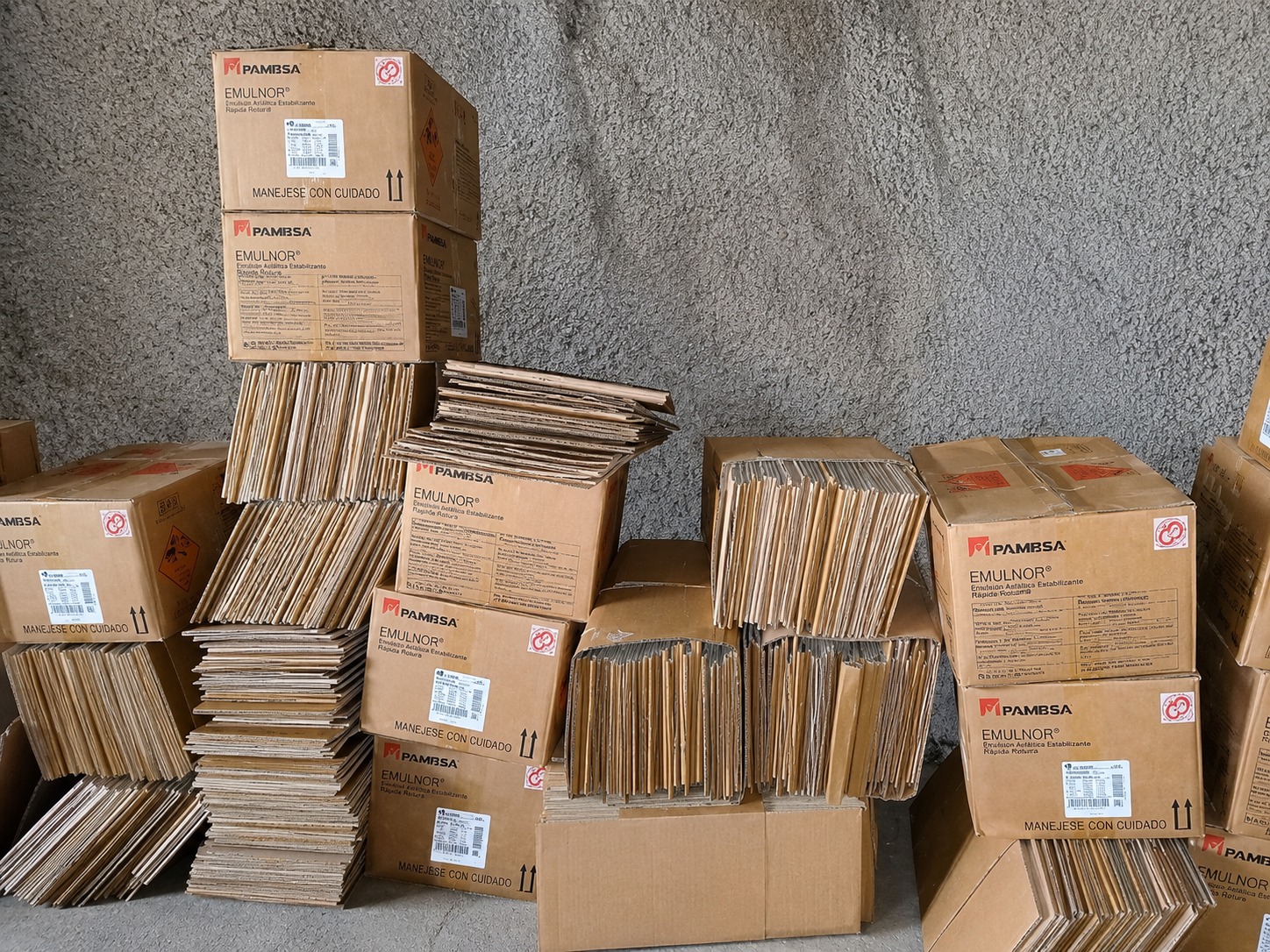
Rigorous Assessment
Precise data supporting strategic sustainability decisions.
Case Resolution
Based on Articles 71 through 74 of the Regulation of the Comprehensive Solid Waste Management Law, we successfully demonstrated the harmlessness of the secondary containers.
Final Status: Reclassified
Officially categorized as 'non-hazardous' waste.
Success Summary
Measurable impact on operational efficiency and environmental commitment.
100%
Regulatory Compliance
Full alignment with Peruvian waste management regulations.
-35%
Logistics Costs
Significant reduction in the transport and disposal of hazardous waste.
Circular
Green Economy
The containers now enter direct industrial recycling chains.
Frequently Asked Questions
Is it safe to recycle these secondary containers?
Yes, it is completely safe. Our technical study confirmed that the use of polyethylene as a primary container acts as an absolute barrier against chemical migration. After field validation, these materials are classified as non-hazardous, allowing their reintegration into circular value chains without risks.
What legal basis supports this procedure?
The procedure is strictly based on Articles 71, 72, 73 and 74 of the Regulation of the Comprehensive Solid Waste Management Law (D.L. No. 1278). These articles empower the technical reclassification of waste through technical studies demonstrating the absence of hazardous characteristics.