UM. ANDAYCHAGUA - SUCCESS STORIES
Environmental engineering applied to the optimization of industrial waste in high-complexity mining operations.
What did we do?
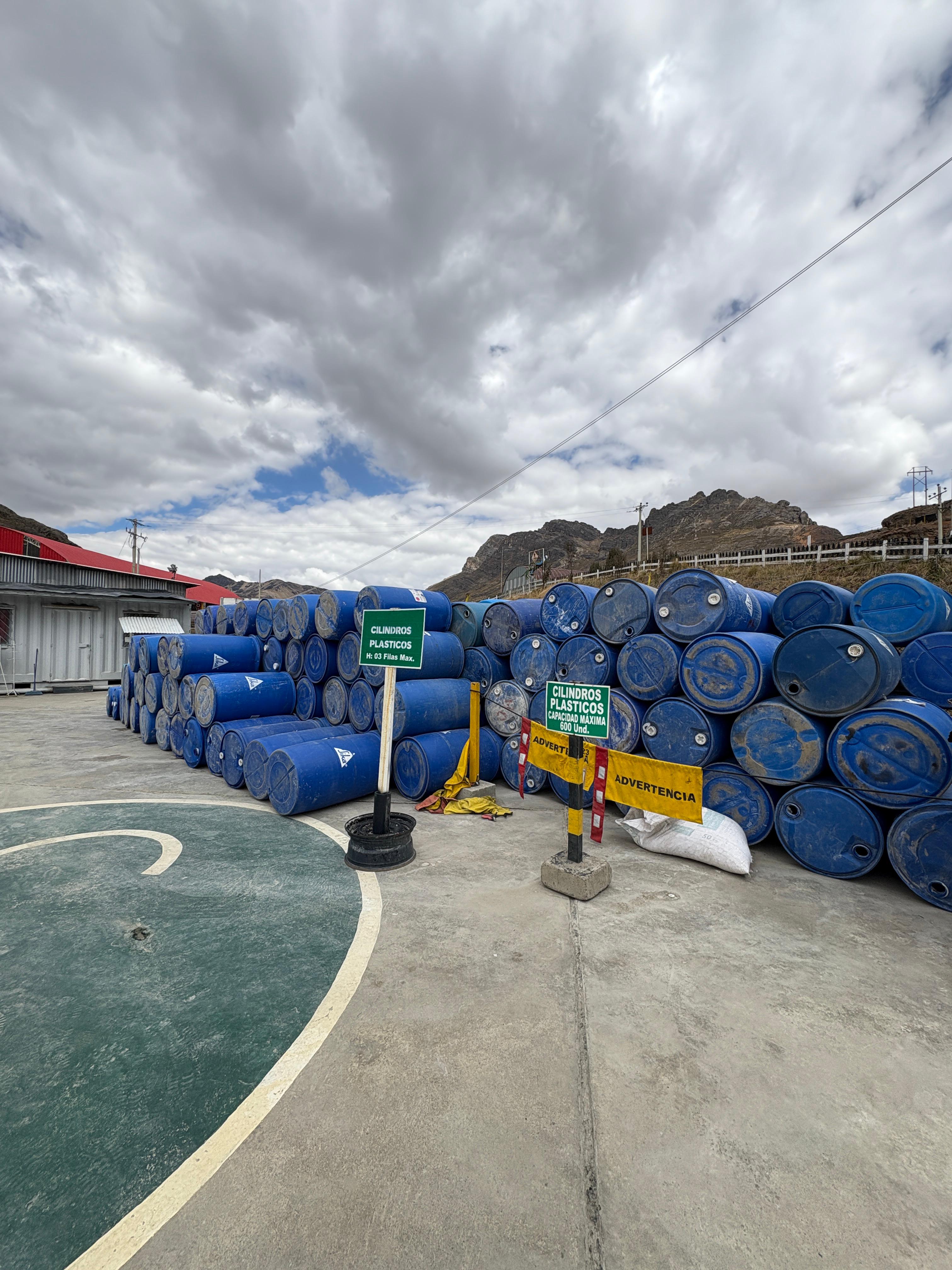
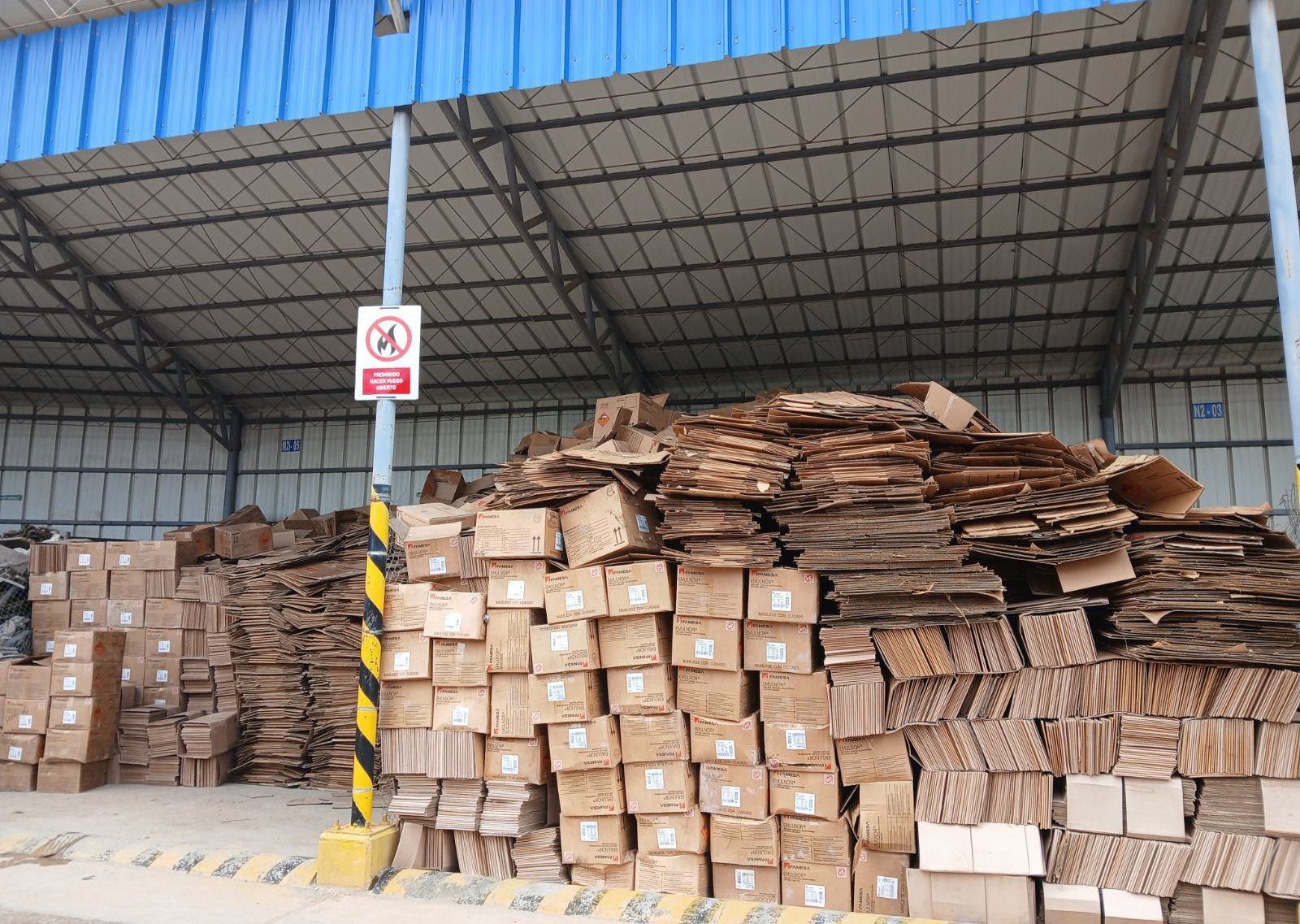
A specialized technical opinion was developed to define the hazardousness of cardboard containers used as secondary packaging for explosives at the Andaychagua Operating Unit. The main objective was to scientifically determine whether these materials should be classified as hazardous or non-hazardous waste, challenging conventional classifications through technical evidence.
Operating Unit
Andaychagua, Metallurgical Complex
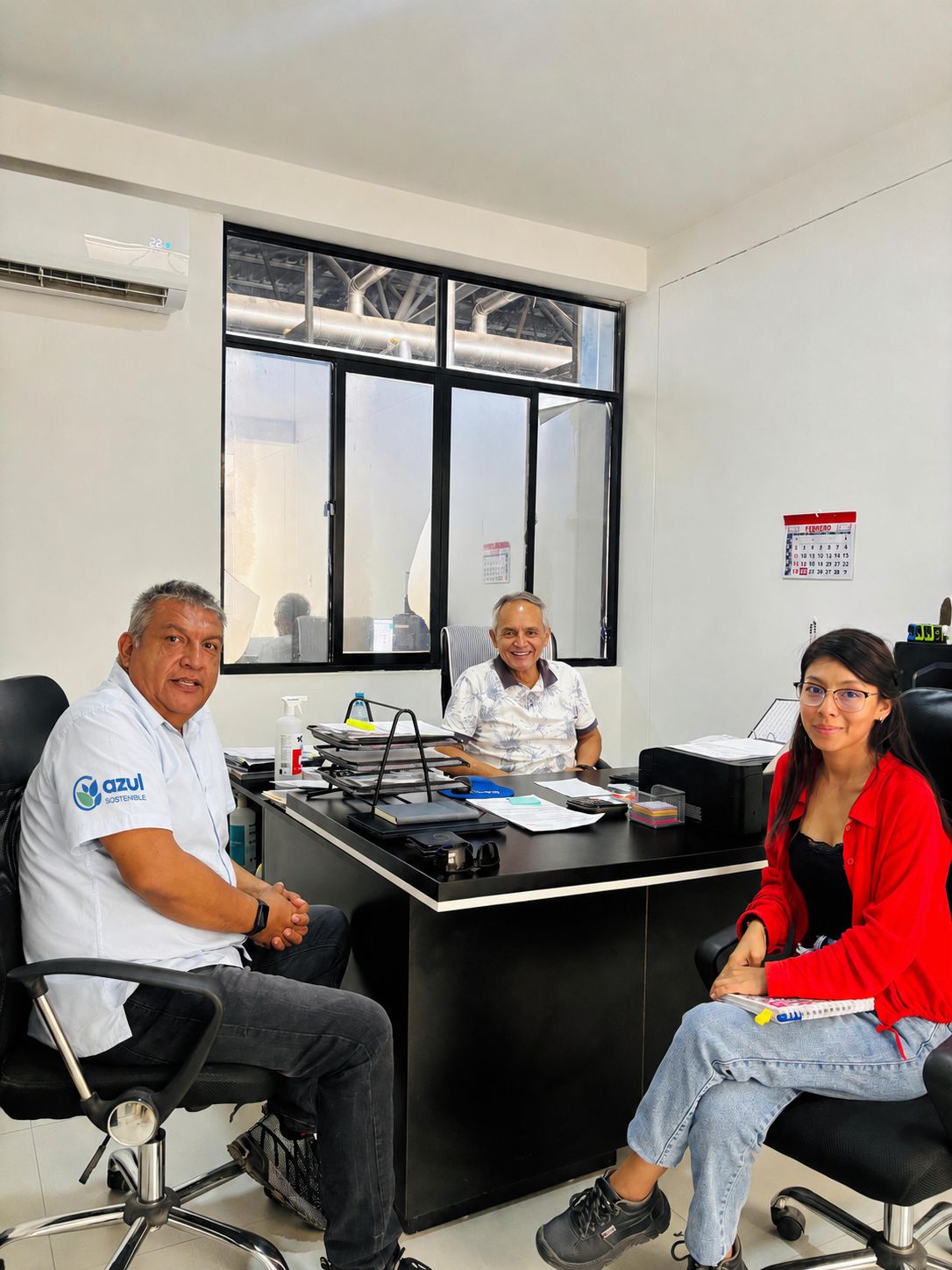
Document Review
Visual Inspection
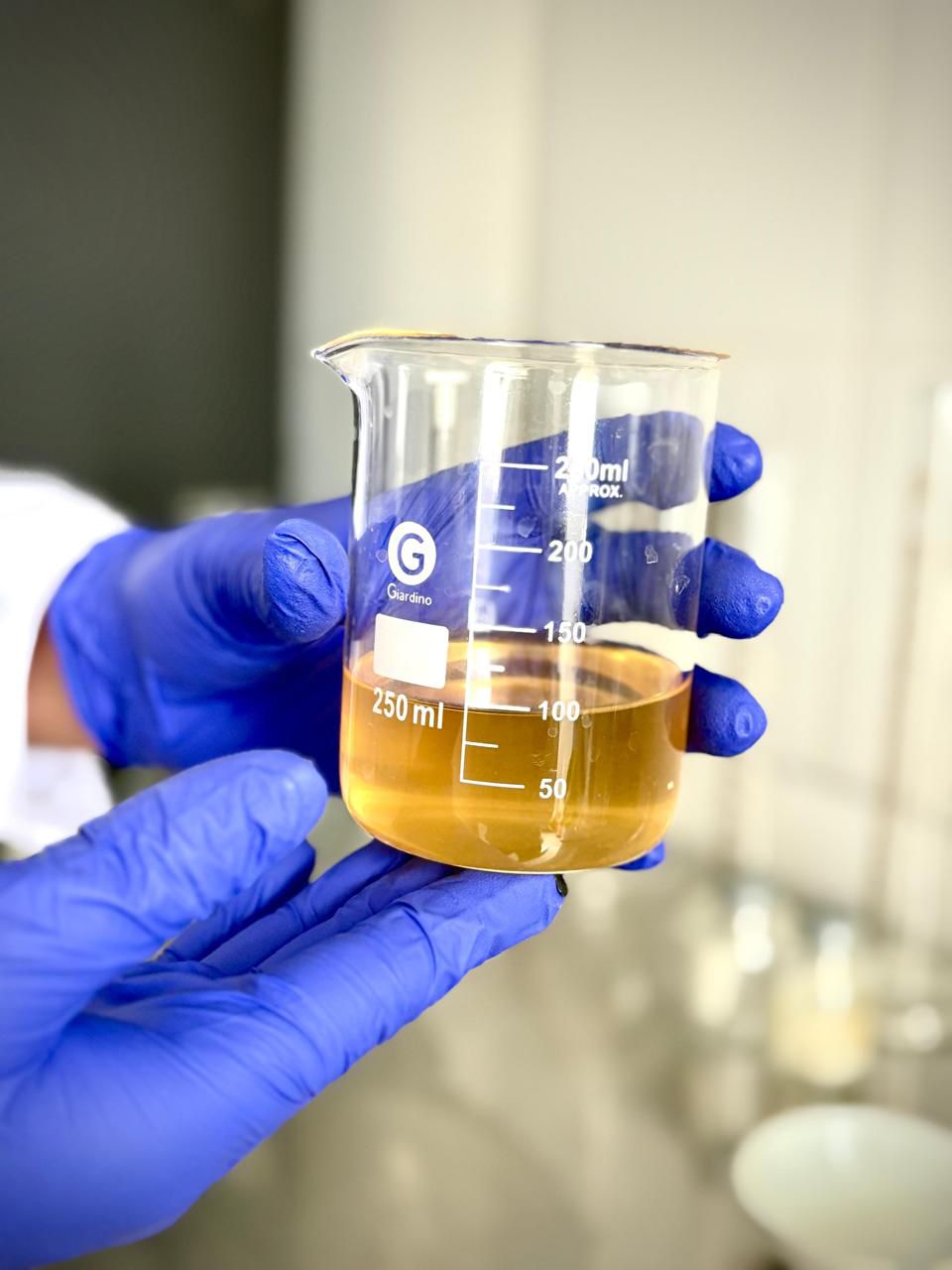
Laboratory Tests
Physical Analysis
Case Resolution
The resolution was based on a rigorous three-stage process: comprehensive review of technical documents, on-site visual and physical inspection, and an accredited laboratory test.
"The technical report categorically concludes that the analyzed boxes do not present characteristics of explosiveness, toxicity, corrosiveness or chemical reactivity."
Success Summary
We successfully demonstrated with irrefutable technical evidence that cardboard containers can be reclassified as non-hazardous waste.
More efficient and safe management by separating materials without direct contact with explosives.
Significant reduction in operational costs in the handling of special waste.